
You’re touring a funeral home and the seller walks you into a showroom with twenty caskets under soft lighting. It looks like a profit center. It used to be one.
But if the home’s cremation rate is above 50% — and nationally, it almost certainly is — that showroom is a shrine to a revenue model that’s shrinking every year. The question isn’t whether casket sales will decline. It’s whether the business you’re buying has built anything to replace them.
The answer, for most acquisition targets, is “not enough.” That gap is both a risk and an opportunity.
The Casket Showroom Is a Depreciating Asset
For decades, casket sales were the merchandise backbone of funeral service. A traditional funeral home generated 25–35% of its per-service revenue from casket markup alone, with wholesale-to-retail margins of 200–400%.
That era is ending.
The national cremation rate now exceeds 60%. In Western states, it’s above 80%. Even among families choosing burial, direct-to-consumer competitors like Costco and Amazon have compressed casket margins by giving families visible price comparisons for the first time.
A casket-centric merchandise strategy isn’t just stale. It’s a business model in measurable decline. If the home you’re evaluating still depends on casket revenue for its margin structure, you need to understand what cremation rates mean for your acquisition economics — and what replaces that revenue.
The Replacement Category: What Cremation Families Actually Buy
Cremation families don’t stop spending on memorialization. They spend differently. The product mix shifts from one large-ticket item (casket) to multiple smaller, higher-margin items spread across a wider purchase window.
Here’s what the cremation merchandise category actually looks like:
Standard cremation urns. Wholesale cost ranges from $50–500, with retail pricing of $150–2,000 or more. Materials span ceramic, wood, biodegradable, metal, and artisan-crafted options. This is the baseline purchase.
Keepsake urns. Smaller companion urns that hold a portion of cremated remains. Multiple family members often each want one. A single cremation case can generate three to five keepsake urn sales instead of one full-size urn. This multiplier effect is where volume lives.
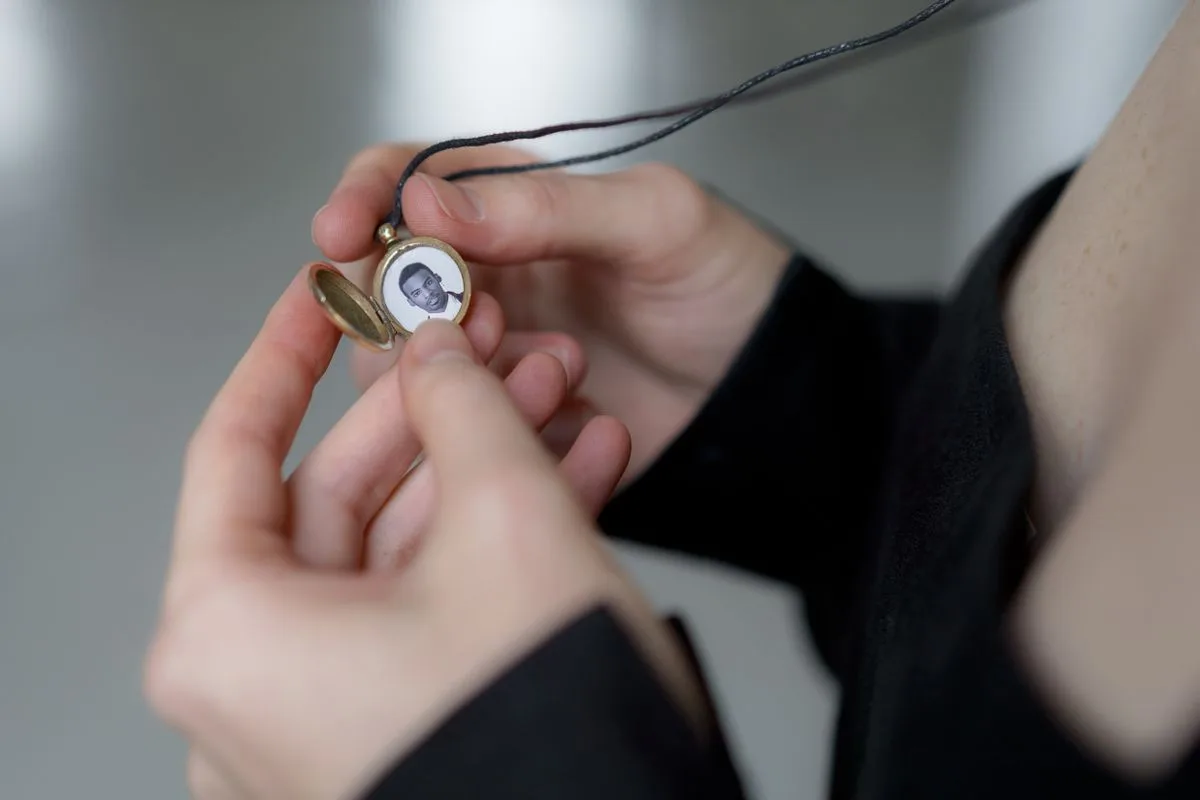
Cremation jewelry and memorial pendants. Wholesale cost of $30–150, retailing at $100–500 or more. Margins regularly exceed 300%. Suppliers like Bailey and Bailey offer wholesale programs specifically for funeral homes. These are small, easy to display, and almost impossible for DTC competitors to undercut because families want to see and touch them.
Memorial glass art. Artisans incorporate a small amount of cremated remains into blown glass orbs, paperweights, or sculptures. Retail pricing of $200–800. High margin, unique, and emotionally resonant. Families rarely price-shop these.
Personalized products. Engraved stones, photo-etched items, memorial garden benches, tree-planting kits, custom portrait artwork. The global death care merchandise market is roughly $20 billion and growing — driven almost entirely by personalization, not traditional casket sales.
The common thread: these products are personal, emotional, and resistant to commoditization.
The Margin Math: Why Memorial Products Outperform Caskets
This is where the numbers get interesting for buyers building a financial model.
Caskets carry hidden costs. A mid-range casket costs $500–3,000 wholesale. It requires a large physical footprint in a showroom. Inventory ties up capital. Units that sit unsold for months still occupy expensive square footage. And DTC competitors have made retail pricing transparent, compressing what you can charge.
Memorial products are the opposite. Wholesale cost of $20–200. Minimal display space. No spoilage, no decay, no shelf-life concerns. And because these products are personal — a pendant containing a loved one’s remains, a hand-blown glass keepsake — families aren’t comparison-shopping on Amazon.
Run the actual comparison:
A mid-range casket retails for $2,500. Wholesale cost is $1,200. Gross margin: $1,300. One unit sold per burial case.
A cremation family purchases a standard urn ($350 retail, $80 wholesale), three keepsake pendants ($150 each retail, $40 each wholesale), and a memorial glass piece ($400 retail, $150 wholesale). Total retail: $1,200. Total wholesale: $350. Gross margin: $850.
The casket generates more gross dollars per transaction. But the cremation merchandise generates a higher margin percentage, requires a fraction of the inventory investment, and — critically — comes from a customer base that’s growing, not shrinking.
When you’re building a funeral home financial model, the key due diligence metric is merchandise revenue per cremation case versus merchandise revenue per burial case. If the cremation figure is under $300, there’s significant upside left on the table.
Evaluating Your Target’s Merchandise Strategy
During due diligence, the merchandise strategy tells you whether the current owner has adapted to cremation or is coasting on legacy revenue.
Red flags:
- Cremation rate above 50% but merchandise revenue still dominated by casket sales
- No dedicated cremation merchandise display area
- Urn selection limited to five or fewer options
- No online catalog or digital merchandise presentation
- Staff can’t articulate a cremation merchandise recommendation process
- Average merchandise revenue per cremation case below $200
Green flags:
- Dedicated cremation merchandise gallery, separate from or integrated with the casket showroom
- Established relationships with specialty suppliers like North American Urns, Reflections Urns & Memorials, or CremationUrns.com
- Online catalog that families can browse before the arrangement conference
- Staff trained on presenting cremation merchandise as part of the arrangement process
- Aftercare program that includes merchandise touchpoints (more on this below)
Ask the seller directly: what percentage of cremation families purchase an urn or memorial product through the funeral home? The industry average is 30–40%. If the target is below that, the merchandise strategy is underperforming. If it’s above 50%, the current owner has built something worth paying for.
This metric directly affects how merchandise revenue influences valuation.
Building the Post-Casket Showroom
If the target’s cremation merchandise strategy is underdeveloped, that’s not a dealbreaker. It’s a post-acquisition growth lever. Here’s how buyers typically build it out.
Redesign the Physical Space
You don’t need to eliminate caskets. You need to rebalance. Reduce the casket display from twenty units to ten or twelve. Use the freed square footage for a memorial products gallery — well-lit, curated, organized by category.
The psychology matters. A cremation family walking into a room full of caskets feels like they’re in the wrong place. A memorial products gallery says: we designed this for you.
Launch an Online Catalog
More families are researching options before they walk in. An online catalog — even a simple one — lets cremation families browse urns, keepsakes, and jewelry before the arrangement conference.
This isn’t e-commerce. Most families still want to purchase in person. But pre-browsing shortens the decision cycle and increases the average transaction value because families arrive already interested in specific products.
Train Staff on Cremation Merchandise Presentation
Casket presentation is deeply ingrained in funeral service culture. Many arrangers are comfortable walking a family through casket options but awkward presenting urns and keepsakes.
Training should cover:
- How to introduce cremation merchandise naturally during the arrangement conference
- The keepsake urn conversation: “Many families find it meaningful for each household to have their own keepsake”
- When to present jewelry and memorial glass (after the urn decision, not before)
- How to follow up during the aftercare window
Time It Right
Casket selection happens at one moment: the arrangement conference. Cremation merchandise has a wider purchase window. Some families choose an urn at the conference. Others aren’t ready for weeks.
The two key touchpoints:
1. The arrangement conference. Present the primary urn and introduce keepsake options.
2. The 30–90 day aftercare contact. This is when keepsake urns, jewelry, and memorial products see their highest conversion. Families have had time to process and are looking for tangible ways to remember.
That second touchpoint is where the real opportunity lives.
The Aftercare Revenue Loop
Aftercare — the follow-up contact with families in the weeks and months after a service — is traditionally a goodwill gesture. A card, a phone call, maybe a grief resource mailing.
Smart operators have turned it into a merchandise channel without making it feel transactional.
Keepsake jewelry is a gift category. A daughter who attended the service buys a pendant for her mother. A spouse purchases keepsake urns for adult children who live out of state. These are second and third purchases from the same case, often initiated 30–90 days after the service.
Memorial products align with calendar moments. A first-anniversary memorial stone. A holiday ornament containing a small amount of remains. A Mother’s Day or Father’s Day gift tied to remembrance. Funeral homes that run tasteful annual promotions around these dates see measurable merchandise revenue from families served months or even years earlier.
The cycle compounds. Each aftercare touchpoint reinforces the family’s relationship with the funeral home. That relationship drives future at-need calls, preneed referrals, and ongoing merchandise purchases. It’s a flywheel that the celebration-of-life service model accelerates further.
For buyers modeling merchandise revenue in their acquisition financial projections, understanding this aftercare-to-merchandise pipeline is critical. It turns a one-time transaction into a recurring relationship. Lendesca offers resources for buyers building these post-acquisition growth models — particularly around revenue streams that don’t show up clearly in the seller’s historical financials.
The Takeaway
The casket showroom isn’t dead. But it’s no longer the merchandise engine of a funeral home. Cremation merchandise — urns, keepsakes, jewelry, memorial art, personalized products — is a growing, high-margin category that most independent funeral homes are still undermonetizing.
For buyers, that underperformance is an opportunity. The target’s current merchandise revenue per cremation case tells you exactly how much room there is to grow. A number below $300 means the current owner left money on the table. A redesigned showroom, an online catalog, trained staff, and a structured aftercare program can close that gap within twelve to eighteen months.
Don’t let a beautiful casket showroom distract you from the question that actually matters: what is this business selling to the 60% of families who don’t want a casket? If the answer is “not much,” you just found your first post-acquisition growth project.
Data sources cited in this article: NFDA cremation rate statistics and projections, North American Urns and Memorials, Market Growth Reports death care merchandise market analysis, Cremation Association of North America industry data, Bailey and Bailey wholesale cremation jewelry programs. Revenue and cost figures represent industry averages and ranges; actual figures for any specific funeral home will vary based on market, service mix, and operational decisions. This article is educational and does not constitute financial, legal, or investment advice.
Funeral Home Buyer provides educational content for professionals evaluating business acquisitions in the funeral services industry. This article is not legal, financial, or investment advice. Consult qualified professionals before making acquisition decisions.