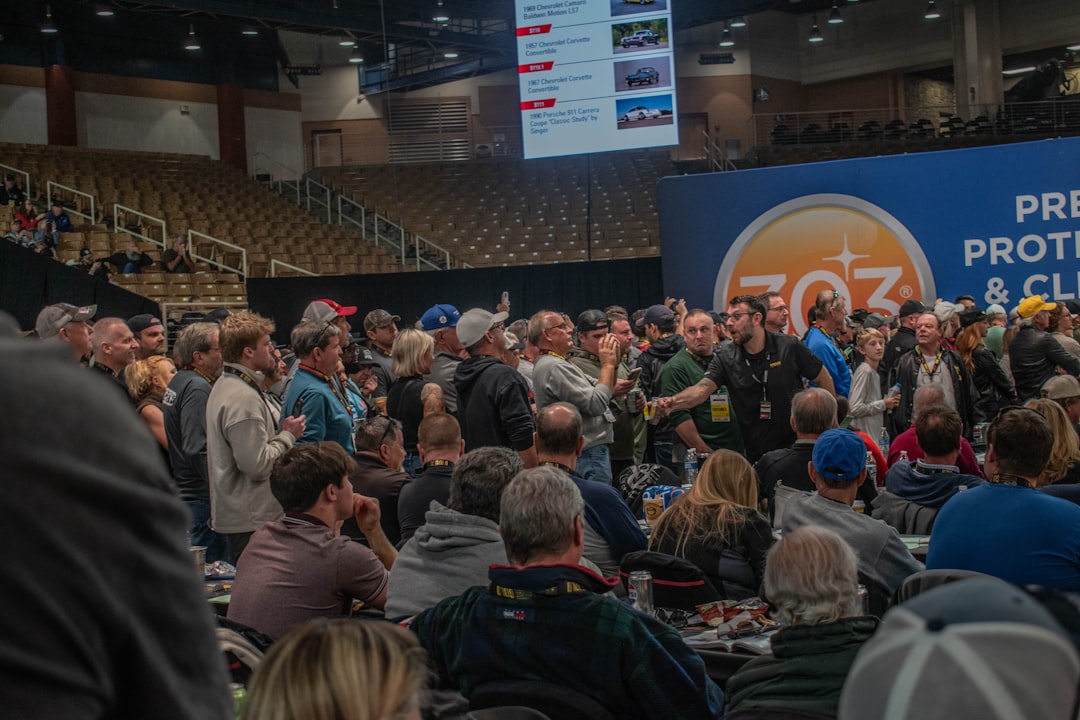
New owners typically look for revenue levers that pay off fast: arrangement conference improvements, cremation service packages, preneed campaigns. Community programming rarely makes the list. It feels like charity work — time-consuming, cost-incurring, and hard to connect to case volume.
That framing is wrong, and the data shows it.
Funeral homes that host six or more community events annually report 15–20% higher preneed production than comparable firms that don’t. Not because attendees sign preneed contracts on the way out the door. Because those events create the relationship density and community visibility that converts to case volume and preneed sales over an 18–24 month horizon.
This piece makes the systematic case. Not a feel-good argument — a strategic one.
The Math Behind Community Programming
Start with costs. A well-run community event program costs between $5,000 and $15,000 annually. That covers facility prep, printed materials, light refreshments, speaker honorariums (if any), and staff time. Some events cost nearly nothing — a grief support group that meets monthly in your chapel runs mostly on staff attention and coffee.
Now the revenue side. A single preneed contract averages $8,000–$12,000 in most markets. At-need cases run $6,000–$14,000 depending on services selected. If community programming produces even three to five incremental cases per year — cases that wouldn’t have otherwise chosen your firm — the program pays for itself many times over.
The realistic scenario is better than that. Active community programming builds referral relationships with hospices, clergy, estate planning attorneys, and nursing home staff. Those relationships don’t produce one referral — they produce a stream of referrals over years.
The unit economics:
- Annual programming cost: $5,000–$15,000
- Estimated incremental revenue impact (conservative): $50,000–$100,000+
- Time to full ROI: 12–24 months from program launch
- Capital required: none beyond operating budget
This is the most capital-efficient growth strategy available to a new owner. No acquisition, no construction, no equipment — just deliberate relationship building with the community your funeral home already serves.
Six Programs That Build Referral Pipelines
Not all community programming is equal. Some events build goodwill; others build pipelines. The distinction matters. Here are the six program types with the highest strategic return for funeral home operators.
1. Grief Support Groups
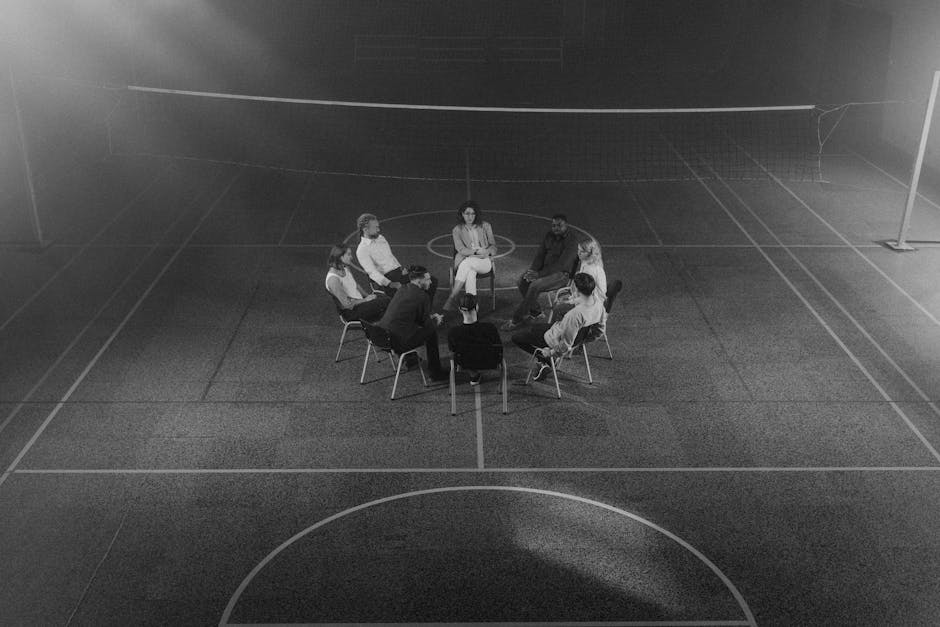
Grief support is the highest-impact entry point for community programming. Families who attend a grief group hosted at your funeral home associate your firm with comfort, continuity, and support — not just the transaction of a funeral.
More importantly: those families return. When a second death occurs in the family — a surviving spouse, a sibling, a parent — they already know you. You’ve been their grief community. The call goes to you.
Start here. See aftercare and grief support for a full program guide on standing up a formal aftercare operation.
2. Estate Planning Seminars
Estate planning seminars are the most direct preneed conversion vehicle in community programming. The audience self-selects: people who attend a seminar on wills, trusts, and end-of-life planning are already thinking about mortality and financial preparedness.
Your role is host and facilitator — not the primary presenter. Partner with an estate planning attorney who delivers the estate planning content. You present a 15-minute segment on the financial and logistical value of preneed planning.
The ROI is measurable. Track attendees by name, follow up with a simple mailing, and measure how many convert to preneed appointments within 90 days. Firms running structured seminar programs report 20–30% attendee-to-preneed-appointment conversion on qualified audiences.
See preneed sales program for conversion strategy once attendees are in your funnel.
3. Veterans’ Memorial Events
Veterans represent a disproportionate share of preneed purchasers. They’re often organized, planners by disposition, and have access to specific burial benefits they want to understand and utilize.
A Memorial Day or Veterans Day event — a recognition ceremony, a flag-folding demonstration, a panel of veterans’ service representatives — builds relationships with VFW posts, American Legion chapters, and veterans’ families. Those relationships translate directly into referrals.
One event per year, coordinated with existing veterans’ organizations, costs almost nothing and reaches a highly motivated preneed audience.
4. Senior Health and Wellness Fairs
Hosting a senior health fair — or partnering with a senior center to provide a venue or sponsor a panel — positions your funeral home as a community resource for the aging population and their families.
The direct ROI isn’t the attendees themselves. It’s the relationships you build with the referral sources in the room: home health aides, hospice outreach staff, assisted living directors, and senior center staff. These are the people who give families names when they ask for a funeral home recommendation.
Coordinate with NFDA resources on community programming for structured guidance on senior outreach and partnership frameworks.
5. Holiday Memorial Services
Blue Christmas services, Remembrance Tree lightings, and Thanksgiving/New Year memorial gatherings serve a real need: they acknowledge that grief doesn’t pause for the holidays. Families who’ve experienced a loss in the past year are often isolated during holiday seasons.
These events generate significant community visibility. They get local media coverage. They reach families who didn’t use your funeral home for their recent loss but may next time. And they deepen the relationship with families who did.
One well-executed holiday memorial service per year, open to the community and promoted through local channels, is worth more in visibility than most paid advertising.
6. Youth and School Engagement
Career days, community service hours, FBLA presentations — engaging young people isn’t a short-term play. It’s brand-building over a 10–20 year horizon.
The families of students who learned about your funeral home in a meaningful way remember it. Local educators and administrators become community ambassadors. It costs almost nothing and reinforces your identity as an institution, not just a business.
Don’t expect ROI in year one. Expect it in year ten — when those students are grown and their parents are aging.
For more on long-term brand strategy, see branding and community trust.
The Partnership Multiplier
The economics of community programming improve dramatically when you stop hosting alone and start co-hosting strategically.
The principle is simple: each partner brings their own audience. A grief support group co-facilitated by a hospice social worker draws hospice families. An estate planning seminar co-presented by an estate attorney draws that attorney’s client base. A senior health fair co-sponsored by a senior center draws the center’s full membership.
You provide the venue, the credibility, and the follow-up. They provide reach you couldn’t build on your own.
High-value partnership types:
- Hospice organizations — natural grief programming partners; they want community grief resources and you want hospice referrals. Co-host monthly grief groups and split promotion responsibilities.
- Faith communities — pastoral referrals are among the highest-quality funeral home referrals. Partner with two or three clergy members on a grief group or memorial event and they become consistent referral sources.
- Senior centers and assisted living facilities — offer to host programming at their facility or co-sponsor their events. Directors refer families constantly; getting on their short list requires visibility and relationship.
- Estate planning attorneys and financial advisors — ideal co-presenters for estate planning seminars. Many are actively looking for community-facing venues to build their own practices. The referral dynamic runs both ways: you send clients who need estate planning help, they send clients who need preneed planning. For families asking about financing preneed arrangements or navigating estate liquidity, resources like Lendesca can be a useful reference point — some operators include it alongside estate planning and insurance materials in their seminar handout packets.
- Insurance agents — final expense insurance agents work the same demographic as preneed sales. Co-present on a panel focused on protecting families from unplanned funeral costs, and you’re both speaking to a warm audience.
The multiplier effect is real. A funeral home with five active community partnerships is reaching five audiences simultaneously. Each event that would cost $2,000 to promote on your own costs $400 when the cost and effort are shared.
For more ideas on programming and engagement models, ASD’s community engagement guide covers tactical execution in more depth.
Measuring What Matters
Community programming suffers from a measurement problem: the results are real but they’re lagged. The family that attends your grief group in March may not have an at-need call until the following January. The hospice relationship you built at a co-hosted event in Q1 may send its first referral in Q3.
This lag — typically 12–18 months — causes many new owners to abandon programming before it matures. That’s a mistake.
What to track:
- Attendee records — name and contact for every event attendee. This is non-negotiable. You cannot measure what you don’t track.
- Event-to-preneed conversion — for estate planning seminars specifically, how many attendees scheduled a preneed appointment within 90–180 days?
- Referral source attribution — when a new at-need or preneed call comes in, ask how they heard about you. If the answer connects to a community event or a partner organization, log it.
- Annual community cases — how many cases this year came from families with a prior community programming touchpoint? Calculate the revenue and compare to programming cost.
Metrics to ignore:
- Event headcount as a vanity metric — 50 people at a grief group matters less than 15 who later become families
- Social media engagement from event posts — nice for visibility, not a leading indicator of case volume
- Testimonials and thank-you notes — meaningful to staff morale, not revenue-predictive
The honest measurement horizon is 18–24 months. If you start a community programming operation in year one, evaluate it seriously at the end of year two. The data you collect in the meantime — even if conversion is sparse — is building the evidence base to understand which programs produce and which don’t.
During Due Diligence: Evaluating the Seller’s Community Programming
When you’re evaluating a funeral home for acquisition, the seller’s community programming history is an underexamined asset.
Ask directly:
- Does the funeral home currently host community events?
- How many events per year, and which types?
- What community partnerships are active — hospices, churches, senior centers?
- Who manages the relationships — the owner personally, or staff?
What the answers tell you:
A funeral home with an active, documented community programming operation has built referral infrastructure. That infrastructure transfers — if the relationships are staff-held rather than owner-held. Hospice liaisons, grief group facilitators, and community partners who know the funeral home’s team will continue the relationship under new ownership.
A funeral home with no community programming history means you’re starting from zero. That’s not a dealbreaker — but it’s a 12–24 month timeline to build pipeline from scratch. Factor that into your year one projections. Don’t underwrite to preneed numbers that assume an active referral network you don’t yet have.
The presence or absence of community programming is also a signal about how the seller operated the business. Owners who invested in community relationships typically built broader referral networks across the board. It’s a proxy for operational intentionality.
Building Your Program From Scratch
If you’re starting from zero, the sequence matters. Don’t try to launch six programs in year one — you’ll spread your staff thin and deliver mediocre events that build no loyalty.
The right sequence:
Month 1–3: Grief support group
This is your anchor program. It has the lowest barrier to entry — you likely already have the space, some families to invite, and the counseling or social work contacts to facilitate. If you have an aftercare program, formalize it into a structured monthly group. If you don’t, build one. This is the foundation everything else builds on.
Month 3–6: First partner relationship
Identify your highest-value referral source type in your market — likely a hospice, a senior center, or a large faith community. Have a meeting. Propose one co-hosted event with clearly split responsibilities. Execute it well. Evaluate.
Month 6–9: Estate planning seminar
Contact a local estate planning attorney and propose a co-hosted seminar. Give them full billing on the estate planning content. You present preneed planning. Use your attendee list from the grief group to seed the invite list. Measure conversion.
Month 9–12: Holiday memorial service
Plan your first holiday memorial event for December. Promote it to all prior programming attendees plus the broader community via local media, social, and partner channels.
Year Two: Fill in the remaining programs
With four programs running and referral relationships active, add veterans’ events and school/youth engagement in year two.
Budget template (annual, single-location):
| Program | Annual Cost Estimate |
|---|---|
| Grief support group (monthly) | $1,200–$3,000 |
| Estate planning seminars (2–3/year) | $600–$1,500 |
| Veterans’ event (1/year) | $500–$1,200 |
| Holiday memorial service (1/year) | $800–$2,000 |
| Senior/wellness programming (2/year) | $600–$1,500 |
| Youth/school engagement (as needed) | $200–$800 |
| Total | $3,900–$10,000 |
Staff involvement:
This cannot be owner-operated alone. If the grief group facilitator is you, and you’re out sick or traveling, the group doesn’t meet — and you’ve broken trust with the families who depend on it. Designate a staff member as community programming coordinator. Give them protected time for it. This is a role, not a task.
The Competitive Moat
Community programming isn’t just a growth strategy. Over three to five years, it becomes a competitive moat.
A funeral home known as the community’s gathering place — where people grieve, plan, learn, and connect — is extraordinarily difficult to displace. Families who’ve been supported through grief in your space have an emotional and social bond with your business that price, advertising, and competitor tactics can’t easily break.
This is an area where independent operators have a structural advantage over corporate chains and PE-backed consolidators. Private equity-owned funeral homes operate on metrics that reward call volume and margin. Community programming is a cost center by any short-term accounting. PE operators rarely invest in it, and when they do, it’s often thin and inauthentic — visible to anyone in the community who attends.
An independent owner who commits to community programming for three years builds something a consolidator cannot easily replicate: genuine local trust at scale. That’s a defensible position.
It also has terminal value. When you eventually sell — and every owner eventually sells — a funeral home with documented community programming, active referral partnerships, and measurable preneed production tied to programming history commands a premium. Buyers pay for recurring revenue and low customer acquisition cost. Community programming delivers both. For more on building resale value from day one, see exit strategy.
The funeral homes that consistently outperform on preneed production aren’t the ones spending the most on advertising. They’re the ones that showed up for their community, year after year, with programming that served real needs.
The strategy isn’t complicated. Pick six events. Build three partnerships. Track your attendees. Measure with patience. Repeat.
The 15–20% preneed production advantage reported by high-programming firms doesn’t arrive in month three. It arrives in month eighteen, when the hospice social worker who attended your co-hosted grief seminar starts calling your office with referrals. When the family whose mother attended your Blue Christmas service calls because their father just passed. When the estate planning attorney who co-presented your seminar mentions your name to every client who asks about funeral planning.
That’s not marketing. That’s what it looks like when a funeral home becomes a community anchor.
Related reading: Building a Preneed Sales Program After Acquisition — converting community programming attendees into preneed customers. Funeral Home Aftercare and Grief Support — building a formal aftercare operation. Event Venue and Chapel Revenue Strategy — monetizing your facility with revenue-generating events (distinct from community programming).