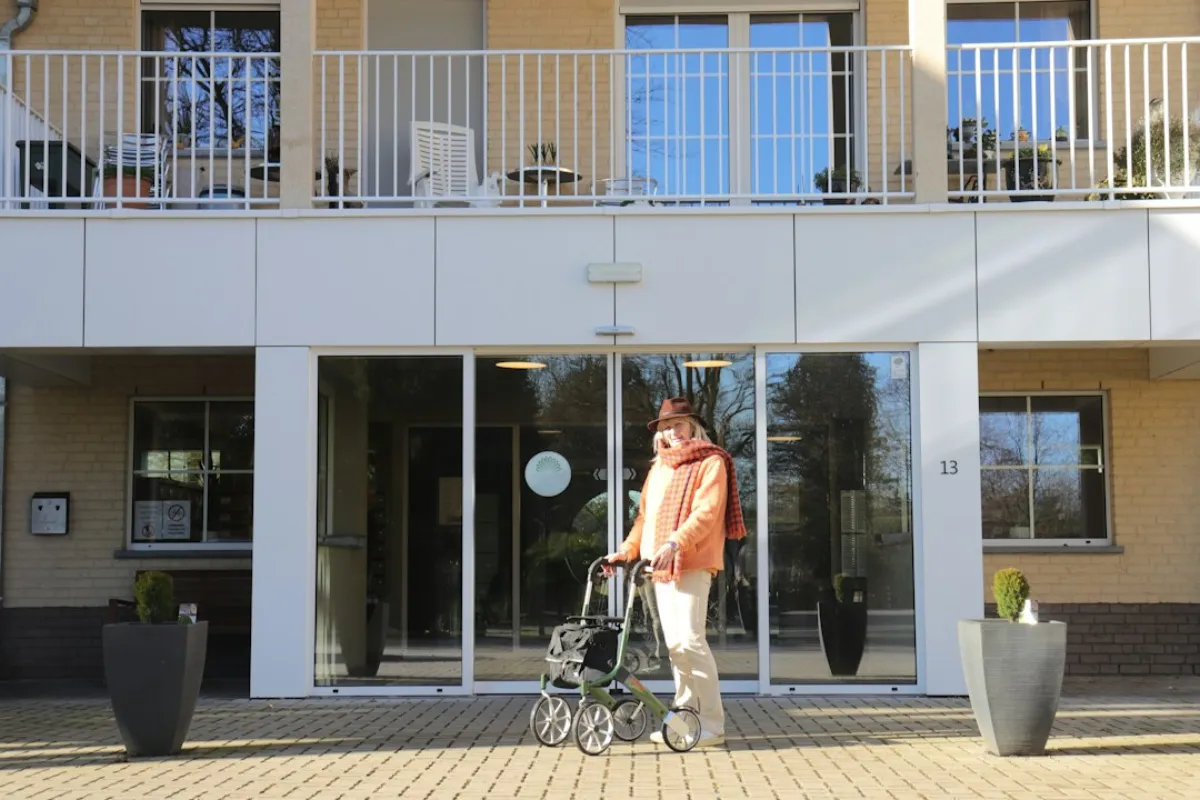
When a resident dies in an assisted living facility, a memory care unit, or a skilled nursing home, someone calls a funeral home. Not 911. Not a hospital. A funeral home.
The question is: which one?
In most markets, the answer isn’t random. It’s the funeral home that the facility’s staff knows, trusts, and reaches for first. The director of nursing who has worked with the same funeral director for 15 years. The night nurse who keeps one funeral home’s card in her desk because they always answer on the first ring at 3 AM and they’re always gentle with the family.
These relationships are invisible in the financial statements. They don’t appear on the balance sheet. They aren’t listed in the asset purchase agreement. And they are often the single most valuable thing you’re buying.
The Numbers Behind the Pipeline
The scale of the senior living referral channel is larger than most buyers realize:
- 28,900 assisted living communities operate in the US, housing 918,000 residents (NCAL/AHCA)
- 15,300 nursing homes serve 1.2 million residents (CMS Nursing Home Data)
- Annual mortality rates in nursing facilities run 25–30%, meaning a 120-bed facility generates 30–36 deaths per year
- Assisted living mortality is lower — typically 8–15% — but a large community with 200 residents still produces 16–30 deaths annually
A funeral home with informal relationships at 3–5 senior living facilities in its market is capturing anywhere from 60 to 150 first calls per year from those facilities alone. At an average revenue of $5,500–$7,500 per call, that pipeline represents $330,000 to $1.1 million in annual revenue.
And it’s invisible unless you know to look for it.
Why These Relationships Are Fragile
The typical senior living referral relationship has three characteristics that make it both valuable and precarious:
1. It’s personal, not institutional
Nursing homes and assisted living facilities almost never have formal contracts with funeral homes. The relationship exists between individual staff members — the director of nursing, the social worker, the facility administrator — and a specific funeral director at the funeral home. When that funeral director leaves, retires, or is replaced by a new owner, the relationship resets to zero.
2. It’s built on responsiveness, not marketing
Facility staff don’t choose a funeral home because of its website or its Google reviews. They choose the funeral home that:
- Answers the phone immediately, day or night
- Arrives for the removal within 45 minutes
- Handles the deceased with visible care and dignity in front of residents who are watching
- Manages the family’s grief without creating disruption in the facility
- Handles all paperwork without requiring the facility to chase signatures
These are operational capabilities, not brand attributes. A buyer who changes the on-call rotation or response time standards can destroy a 20-year relationship in a single bad removal.

Facility staff choose funeral homes based on responsiveness, care, and consistency — not marketing.
3. It’s competitive and zero-sum
Every facility in your market is being courted by multiple funeral homes. The relationship you’re buying didn’t happen by accident — the current owner invested years of consistent performance to earn it. The competing funeral homes are still calling, still dropping off brochures, still offering to “introduce themselves to the new staff.”
The moment ownership changes, competitors will intensify their outreach. You have a 90-day window to establish yourself before the facility staff decides whether you’re “their funeral home” or just another name in the directory.
The Due Diligence Audit
Add these steps to your standard referral source assessment:
Step 1: Ask the seller to map the pipeline
Request a list of every senior living facility that has referred cases in the past 3 years, including:
- Facility name and type (assisted living, memory care, skilled nursing, independent living, CCRC)
- Number of referrals per year for each of the past 3 years
- Trend line (growing, stable, declining)
- Key contact at each facility (name, role, how long the relationship has existed)
- Any written agreements or preferred provider arrangements
If the seller can’t produce this list, that’s a data point. It means the relationships exist only in the seller’s head — which makes them even more fragile during a transition.
Step 2: Cross-reference with case records
Pull the funeral home’s case records and code each case by referral source. Match facility-referred cases against the seller’s list. Look for:
- Concentration risk — if one facility accounts for more than 25% of total referrals, you have a single point of failure. See the institutional referral ecosystem for the full framework.
- Seasonal patterns — winter months typically generate more facility deaths; make sure you’re comparing apples to apples
- Declining facilities — some nursing homes are losing beds, losing staff, or facing regulatory problems. A facility that referred 40 cases in 2024 and 25 in 2025 might be closing wings, not choosing a different funeral home.
Step 3: Visit the facilities yourself
Before closing, visit the top 3 referring facilities. Introduce yourself to the director of nursing and the social worker. You’re not selling — you’re listening. Ask:
- How do they choose which funeral home to recommend to families?
- What do they value most in that relationship?
- What has the current funeral home done well? What could improve?
- Are families directed to a specific funeral home, or given a list? Who decides what’s on that list?
These conversations will tell you more about the durability of the pipeline than any spreadsheet.
Step 4: Check the competitive threat
Use the community referral pipeline framework, adapted for senior living. Identify which other funeral homes serve the same facilities. If SCI or a regional consolidator is actively pursuing these relationships with dedicated aftercare coordinators and facility outreach programs, your informal cookies-and-handshakes approach may not survive the transition.
The 90-Day Retention Playbook
Closing day is Day 1 of a 90-day window. The senior living facilities that referred 100+ cases a year to the previous owner will refer zero to you unless you execute a deliberate retention plan:
Week 1: Personal visit to every referring facility. Introduce yourself. Bring the seller if possible for a warm handover. Do not change anything about the service model yet.
Week 2–4: Assign a specific staff member as the facility liaison for each top facility. This person is the facility’s direct line — day or night. Give facilities this person’s cell phone number.
Month 2: Host a brief appreciation lunch or coffee at each top facility. Not a sales pitch — a genuine thank-you for the relationship. Ask what you can do better.
Month 3: Review response times, removal professionalism, and family feedback from facility-referred cases. Fix anything that’s slipping. The facility staff are watching.
Capital advisors who specialize in acquisition financing, such as Lendesca, can help you model the working capital needed for this relationship-building period — including the marketing, staffing, and operational investments that keep a referral pipeline intact through ownership transition.
What This Means for Valuation
A funeral home with documented, diversified senior living referral relationships is worth more than one with the same call volume sourced entirely from walk-ins and Google searches. The pipeline is a predictable, renewable revenue source with built-in growth: as the US population ages, senior living occupancy rises, and the facilities generate more deaths per year.
But the pipeline has to survive the ownership change. Discount the value of any referral relationship that:
- Depends on a single person at the funeral home (the owner, a retiring funeral director)
- Has no documentation — no case records coded by source, no facility contact list
- Shows declining volume with no explanation
- Comes from a facility that is itself financially distressed
The difference between a funeral home with a strong senior living pipeline and one without can be $200,000–$500,000 in annual revenue. That’s worth a conversation during negotiations — and a plan for Day 1.
Funeral Home Buyer provides educational content for professionals evaluating business acquisitions in the funeral services industry. This article is not legal, financial, or tax advice. Consult qualified professionals before making acquisition decisions.